CEDUCA participates in the European project Entrepreneurship Without Borders to promote a more inclusive and innovative VET system
CEDUCA is part of the European project Entrepreneurship Without Borders (ESF), an initiative co-funded by the Erasmus+ program that seeks to transform the way entrepreneurship is taught in Vocational Education and Training (VET). In a world where innovation, adaptability, and creativity are more essential than ever, the project seeks to make entrepreneurship education more inclusive, engaging, and future-oriented. What are the project’s objectives? The ESF project proposes a new approach to entrepreneurship training through: Improve the accessibility and inclusiveness of entrepreneurial training in vocational education by promoting experiential learning in a virtual environment and strengthening collaboration with stakeholders in the world of work. Enable disadvantaged students to learn more effectively and playfully using immersive technologies, personalized learning pathways and impact measurement tools. Innovate entrepreneurship training programs by adapting the concepts of business accelerators and temporary residences to professional training. Rethink learning methods by focusing on the acquisition of key competencies such as creativity, problem solving and teamwork through experiential environments. To develop the entrepreneurial, active learning, experiential learning and evaluation skills of VET trainers by offering a modular online training program. Provide VET trainers with active pedagogy and evaluation tools and techniques, adapting new concepts to promote entrepreneurship (temporary business residences, business accelerators). What results will the project generate? During its three-year duration, Entrepreneurship Without Borders will develop: Toolbox for VET trainers “Entrepreneurship without borders”. Temporary virtual residence for entrepreneurship and a “mentoring” space thanks to a chatbot “powered” by EFP trainers in order to support trainees in their training course through a creative approach. European Network of Companies without Borders. Galleries of entrepreneurial projects born in the virtual residence. Policy recommendations to promote entrepreneurship education. At CEDUCA we believe that entrepreneurship is not just about acquiring skills, but a way of thinking. Therefore, we are proud to participate in this project that opens new learning paths and opportunities for both students and teachers of VET in Europe. Project title: Entrepreneurship Without Borders / Emprendimiento Sin Fronteras (ESF) Coordinator: Union des Couveuses (France) Duration: 01/11/2024 – 30/10/2027 This project has been funded with support from the European Commission. This publication reflects the views only of the author, and the Commission cannot be held responsible for any use which may be made of the information contained therein. Project Number: 2024-1-FR01-KA220-VET-000256552
Volunteering and social participation in education

Volunteering can play a significant role in promoting sustainable practices and building communities committed to social change. In Spain, various initiatives have been developed that invite citizens to participate in conservation, restoration, and environmental improvement activities, as well as in training programs that integrate elements of environmental and social education. These actions allow both young people and adults to engage in projects that foster responsibility and care for the environment. In this context, participation in these programs demonstrates that social commitment translates into a greater sense of belonging and the development of skills that go beyond academics, strengthening the social and cultural fabric of communities. The dissemination of these experiences, through events and awareness activities, contributes to sharing and recognizing good practices in the educational field. Additionally, this trend promotes dialogue between social and educational actors, creating collaborative networks that reinforce the implementation of sustainable initiatives in schools and local communities. Organizations dedicated to promoting educational excellence, such as CEDUCA, actively support these initiatives, contributing to the sharing and expansion of good practices in the educational field.
Collaborative networks: Towards educational excellence
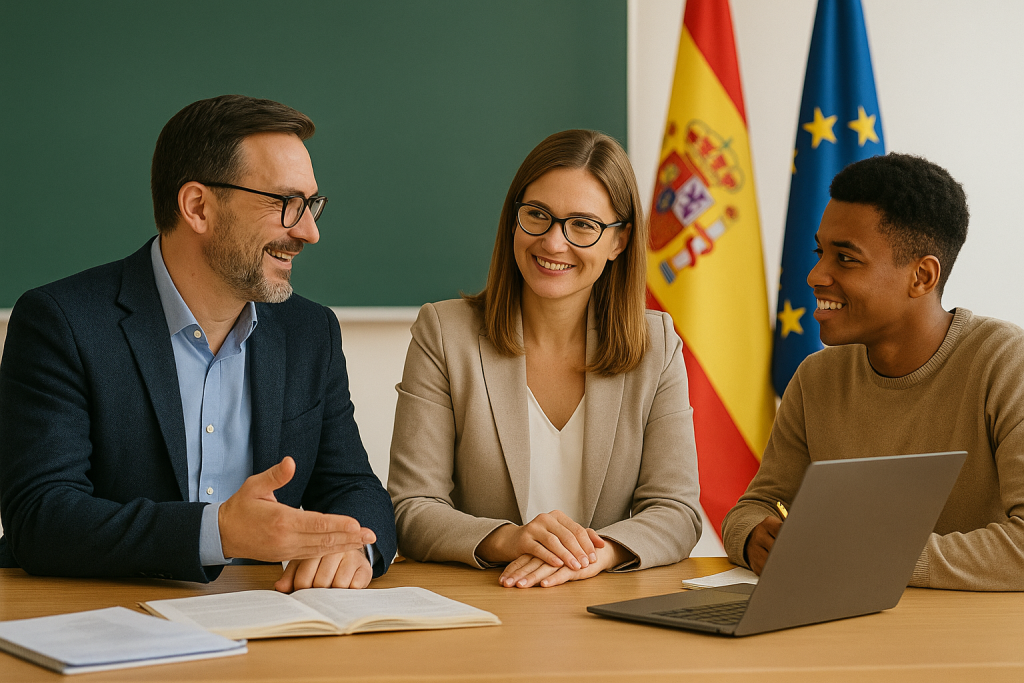
How are quality educational environments built? The answer lies in joint work. In recent years, strengthening collaborative networks among educational centers, associations, and public entities has proven to be fundamental in raising the quality of teaching in Spain. Various experiences have shown that when institutions share resources, knowledge, and strategies, synergies are generated that benefit both teachers and students. In this scenario, the creation of strategic alliances not only improves management and the exchange of good practices but also facilitates the implementation of innovative projects in crucial areas such as inclusion and educational excellence. There are multiple examples at the national level that demonstrate how collaboration among universities, training centers, and public organizations has enabled the development of training programs tailored to the reality and needs of students. CEDUCA is part of this landscape by fostering spaces for dialogue and cooperation. Through joint activities, seminars, and meetings, the exchange of ideas and the construction of a support network aimed at improving coexistence and educational quality are promoted. This collaborative approach lays the foundation for an education that effectively responds to current challenges, driving positive changes throughout the system.
Trends in environmental education in Spain
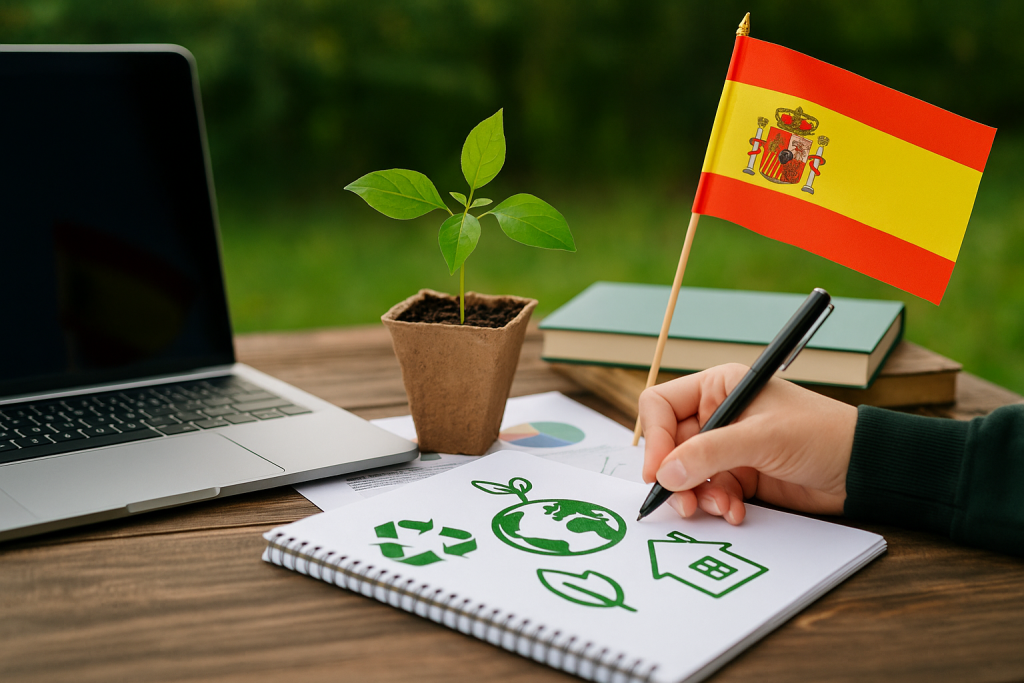
Environmental education in Spain is undergoing a profound transformation. In recent years, there has been a shift in teaching and learning methods, driven by the use of digital technologies and renewed pedagogical approaches. In many educational centers, the incorporation of interactive platforms and multimedia resources allows the educational process to be tailored to the individual needs of each student. This not only improves academic results but also fosters the development of social and emotional skills essential in a constantly changing world. On the other hand, the inclusion of environmental content in the curriculum has opened up a range of new opportunities. The updating of training programs and the implementation of participatory methodologies have demonstrated that it is possible to create more dynamic and collaborative classrooms. Research, such as the reports published by the Ministry of Education and Vocational Training, confirms that these methods can make a difference in learning. In this context, various institutions are working to consolidate these practices and extend their reach, contributing to the formation of citizens who are more aware and committed to sustainability. Organizations committed to educational excellence, such as CEDUCA, actively support the exchange of experiences and the dissemination of good practices, helping these innovations to be gradually integrated into the national education system.
